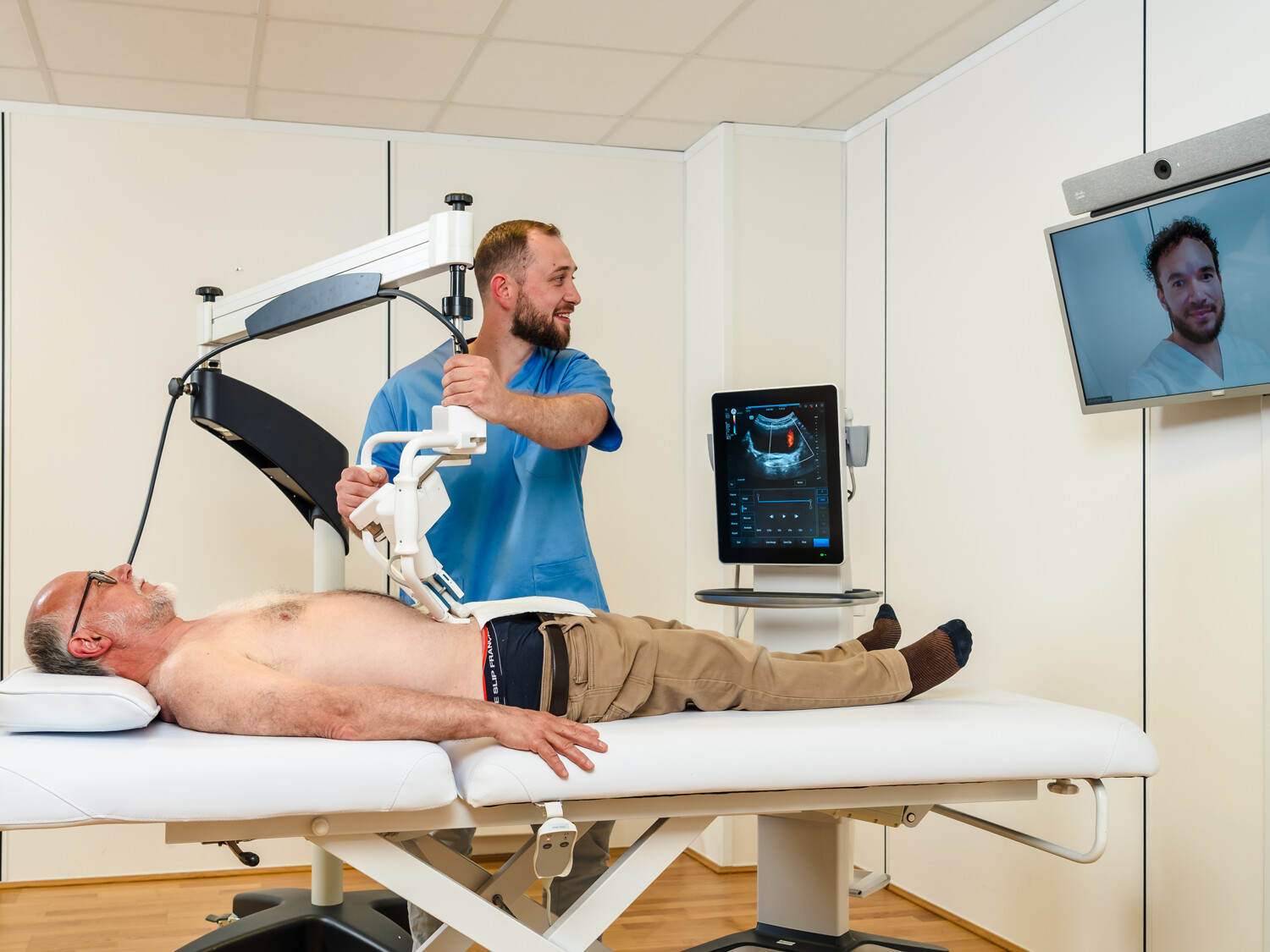
What technology lies behind a tele-ultrasound robot?
Robotic tele-ultrasound allows a remote expert to perform an ultrasound examination using a robotic arm. Meanwhile, an operator on site supports the patient and positions the device. But how does


Robotic tele-ultrasound allows a remote expert to perform an ultrasound examination using a robotic arm. Meanwhile, an operator on site supports the patient and positions the device. But how does
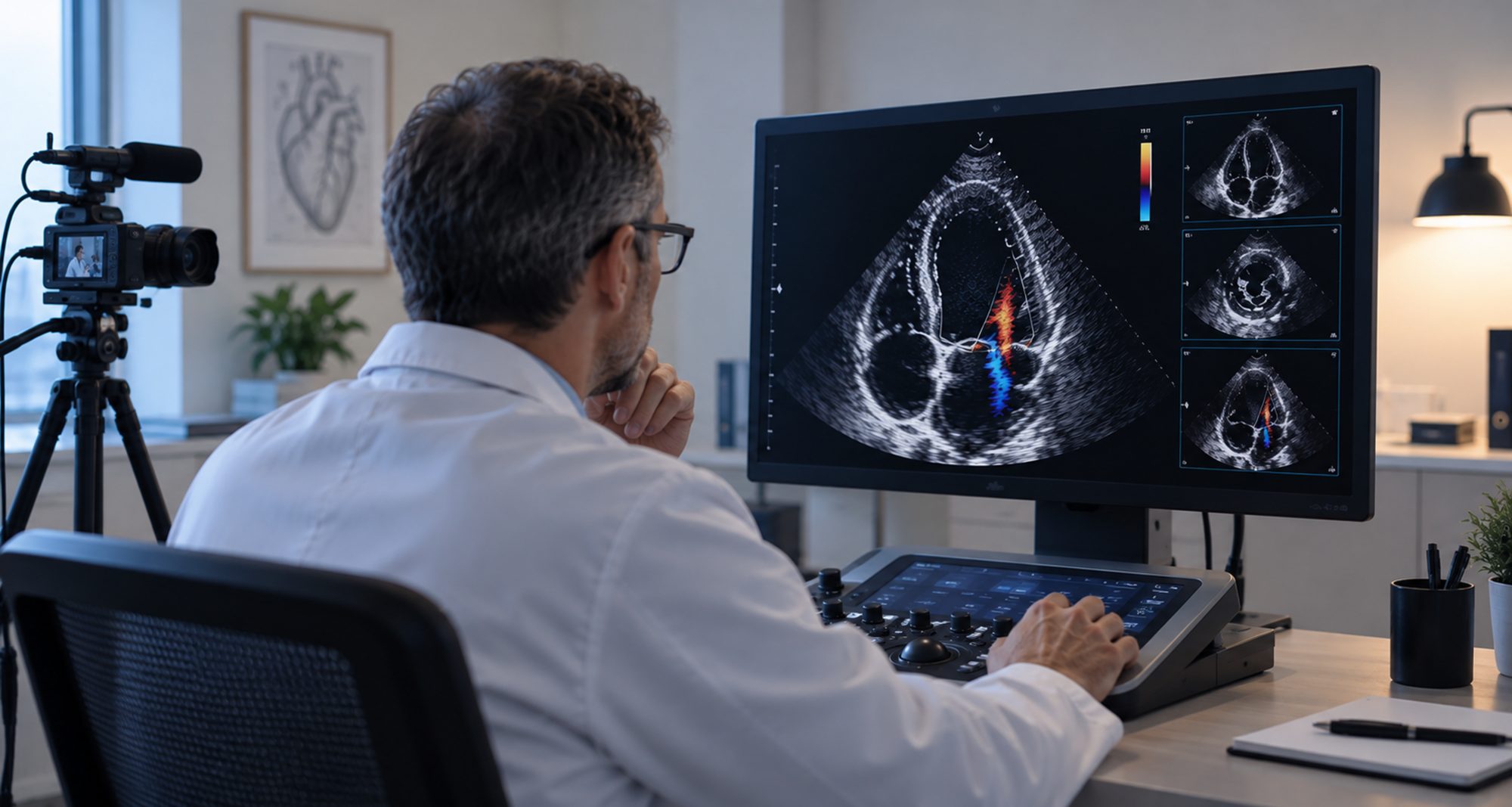
In rural, remote or doctor-shortage areas, access to cardiological expertise can be difficult. In such cases, robot-assisted ultrasound for cardiac examinations may offer a solution to this problem. Using a
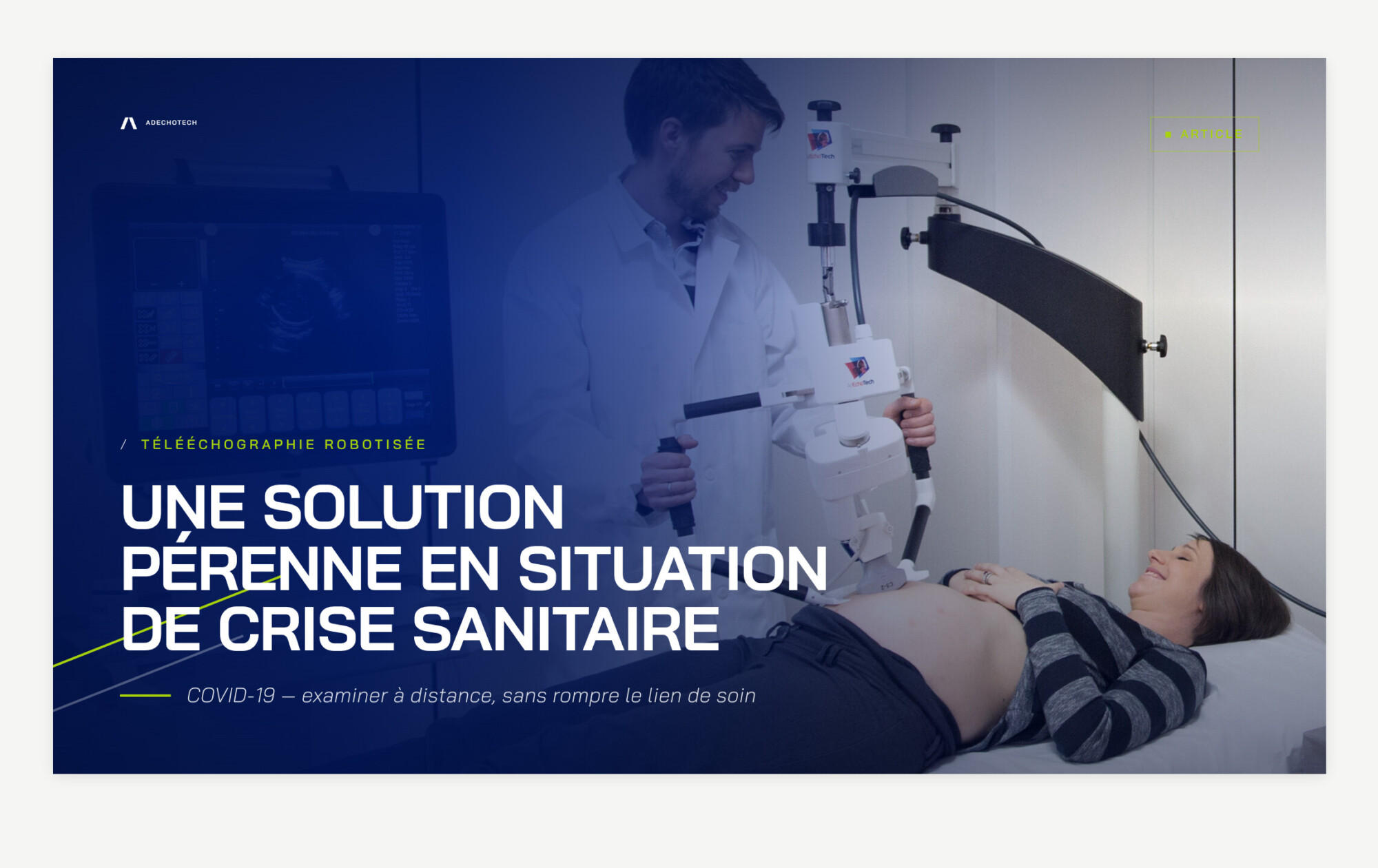
Access to medical imaging is limited in many rural or remote areas. The reason? A shortage of healthcare professionals and logistical challenges. Yet these diagnostic tests play a crucial role

On March 22, 2026, AdEchoTech brought together the international medical community at the Château d’Amboise in the Loire Valley for its very first global webinar entirely dedicated to robotic tele-ultrasound.

For some pregnant women living in Northern Norway, a routine ultrasound appointment can turn into an exhausting journey. Two hours of driving to the hospital. Two hours back home. Sometimes
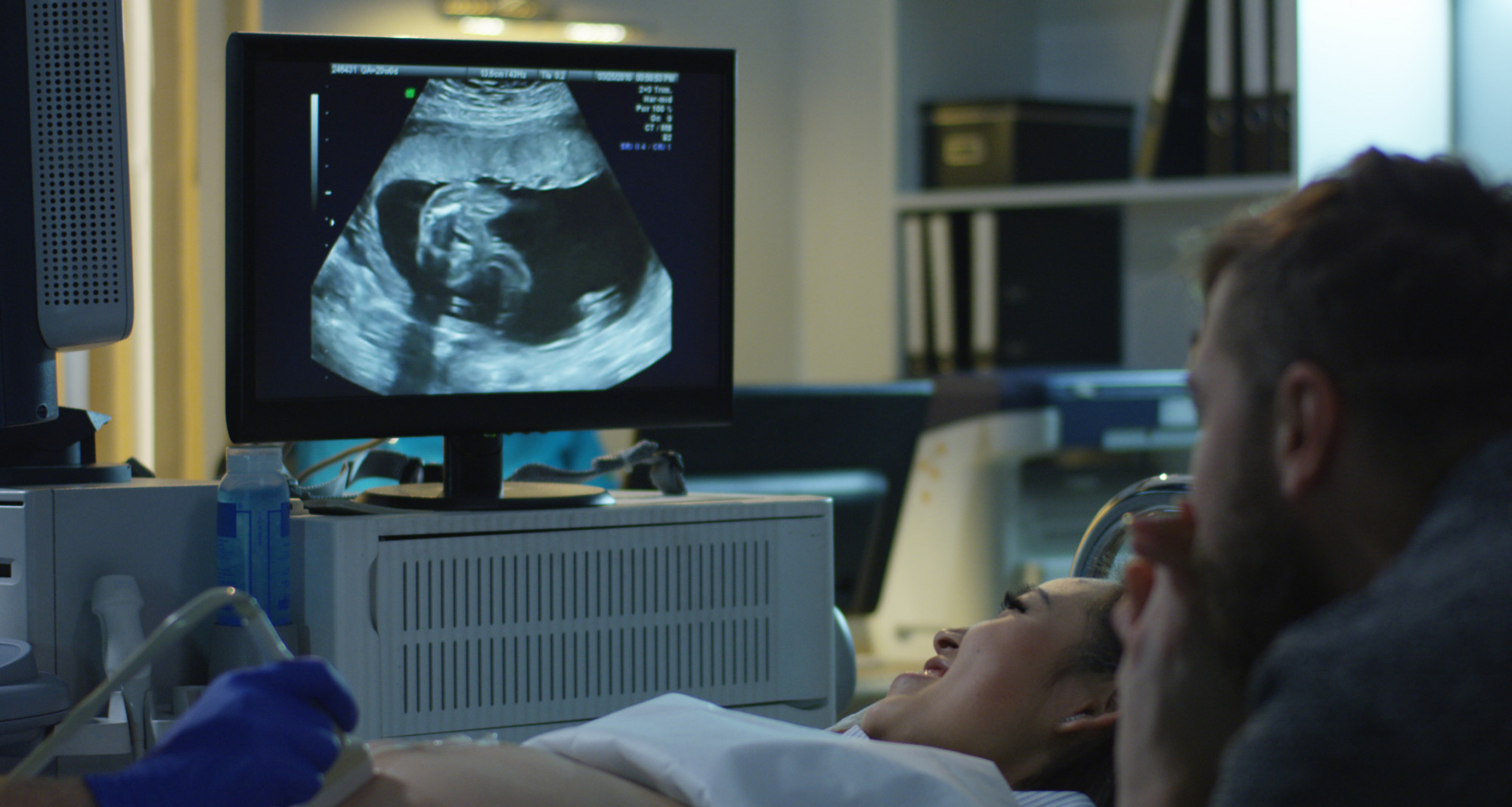
In rural areas, pregnant patients often face two challenges. The geographical distance from maternity wards and specialists, as well as a shortage of professionals qualified to perform high-quality ultrasound scans,

Due to a shortage of radiologists and the long distances involved in travelling to an imaging centre, access to ultrasound scans in rural areas remains limited. Indeed, a scan lasting
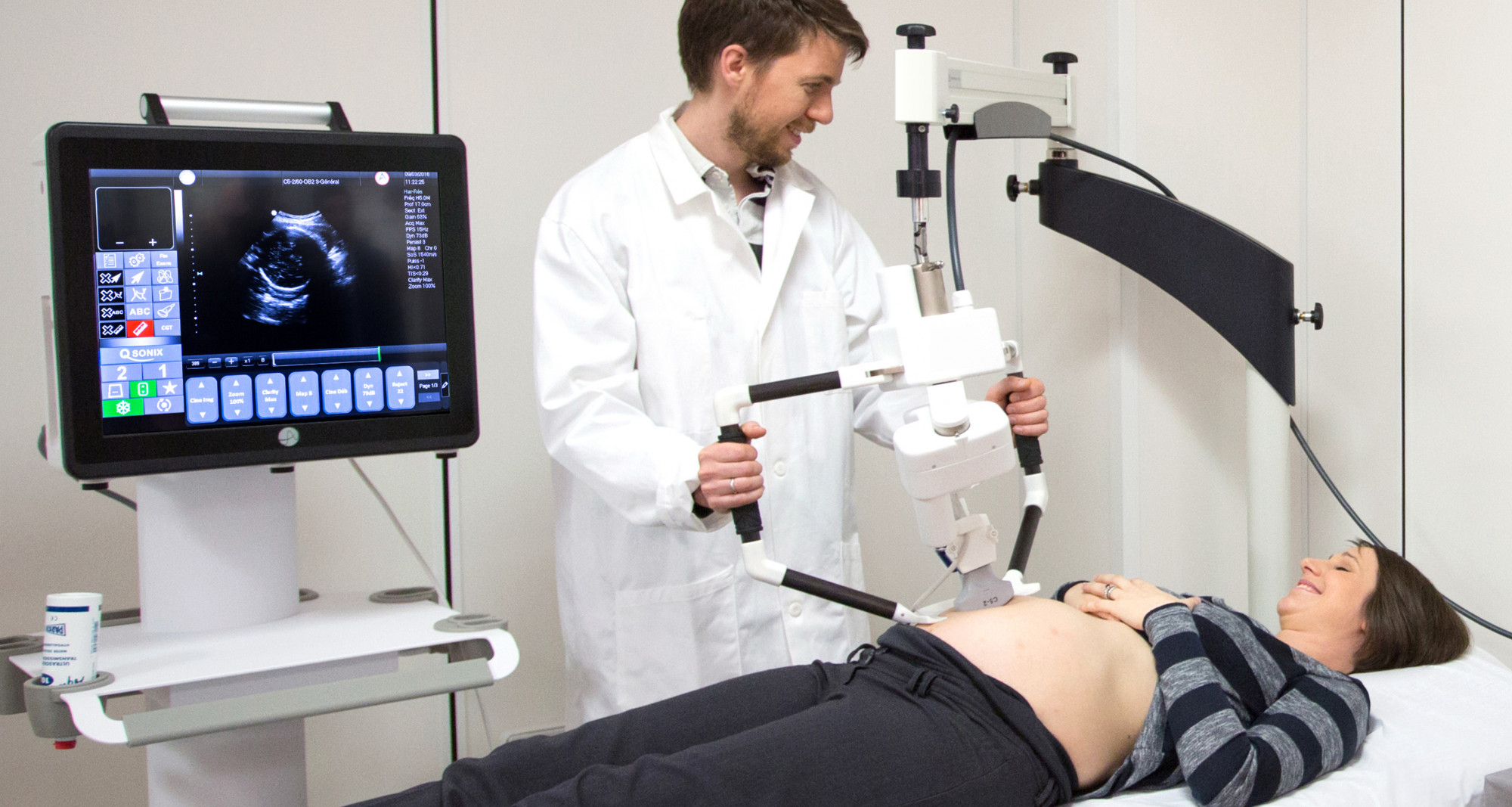
Obstetric ultrasound plays a central role in pregnancy monitoring, from confirmation of pregnancy to assessment of fetal growth and anatomy. However, in many rural areas or areas with a shortage
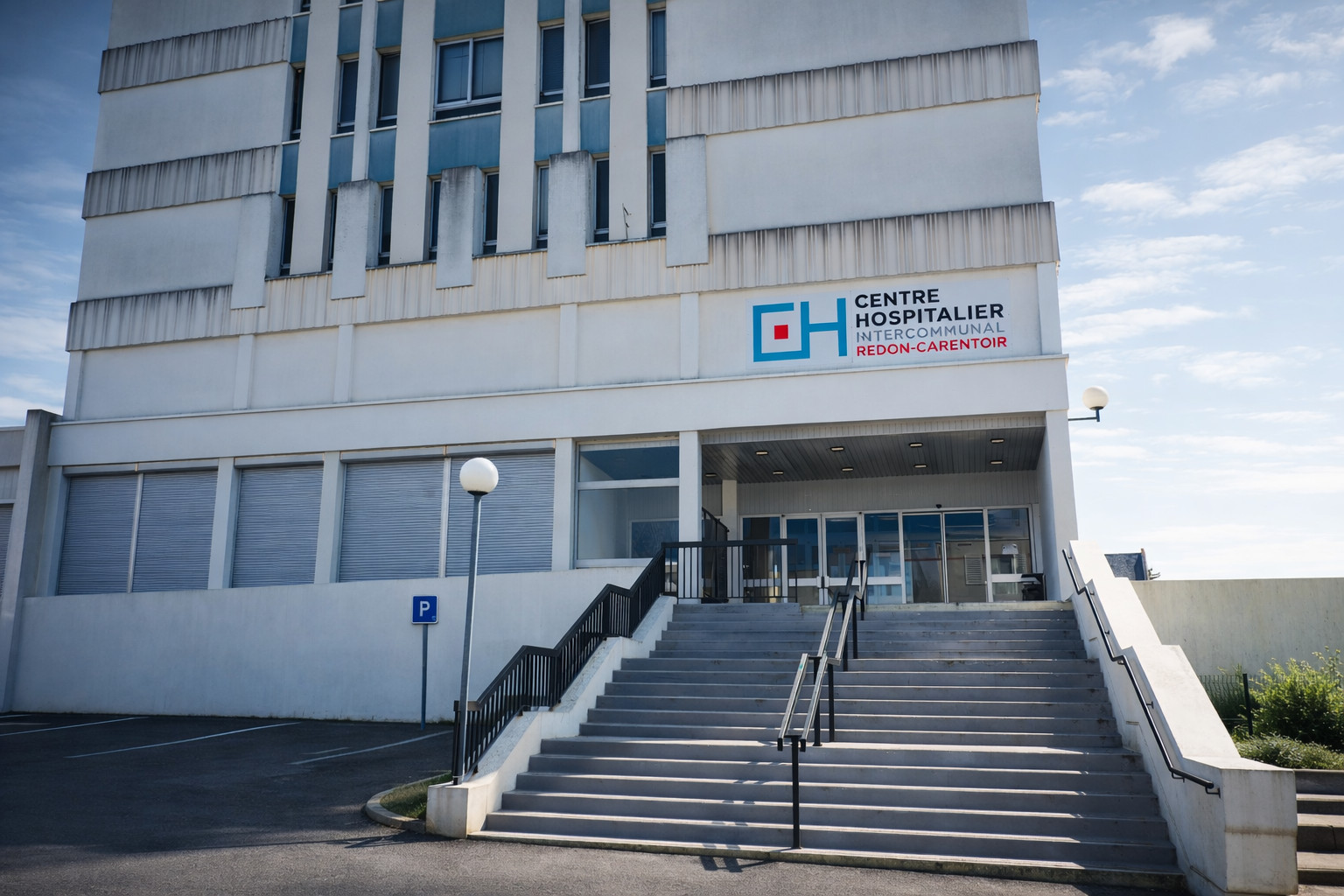
Since May 2025, the Redon-Carentoir Intercommunal Hospital Centre (CHIRC) in Ille-et-Vilaine has been equipped with MELODY, the medically validated teleoperated ultrasound robot developed by AdEchoTech. This innovation, remotely controlled by